
What is your email worth?
It’s human nature to share information, disregard “excessive” security measures, and get rid of unwanted spam. Yet, according to top exports, these are the windows of opportunities cyber criminals look for to steal valuable information.
You would never email super sensitive information like your Social Security number or credit card details in your inbox (right?), but there are other “hot-ticket” items that can be valuable on the black-market that you may not have heard of.
Cyber criminals utilize anything they can get their hands on to get what they want, including:
- Text passwords
- Credit card numbers
- Work documents
- Receipts for online purchases
- Travel itinerary
- Social ID number
- Tax forms
- Birthdates
- Former educational institutions attended
Cyber criminals can take seemingly meaningless information like your favorite sports team or the street you grew up on, and hack into your password protected accounts and steal your would-be-secured details in an instant.
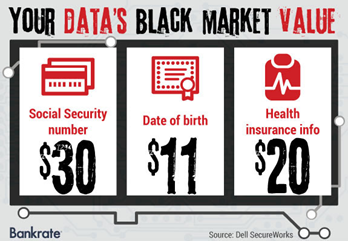
While some details are priceless to you, they actually carry a price tag in the criminal world. Some monetary examples would be (2016 example prices):
- Medical records are pricier, running $50 and upwards.
- Credit card info worth $2.
- Facebook accounts (is nothing safe?!) go for $1.
So what can you do to stay safe? Here are a few tips:
- Use a super strong password. This includes numbers, symbols, and letters in upper and lowercase. Make sure it’s not an easy to guess password either.
- Never click on a link that you don’t know is 100% secure. Not sometimes. Not just if it looks sketchy. But NEVER.
- Share your personal information as infrequently as possible over the internet.
- Use two-step authentication for all your accounts.
- Routinely check that your account hasn’t been compromised - Have I Been Pwned: Check if your email has been compromised
Comments
0 comments
Please sign in to leave a comment.